Our History
Discover the heritage of Churston Ferrers Grammar School and how our story continues to unfold.
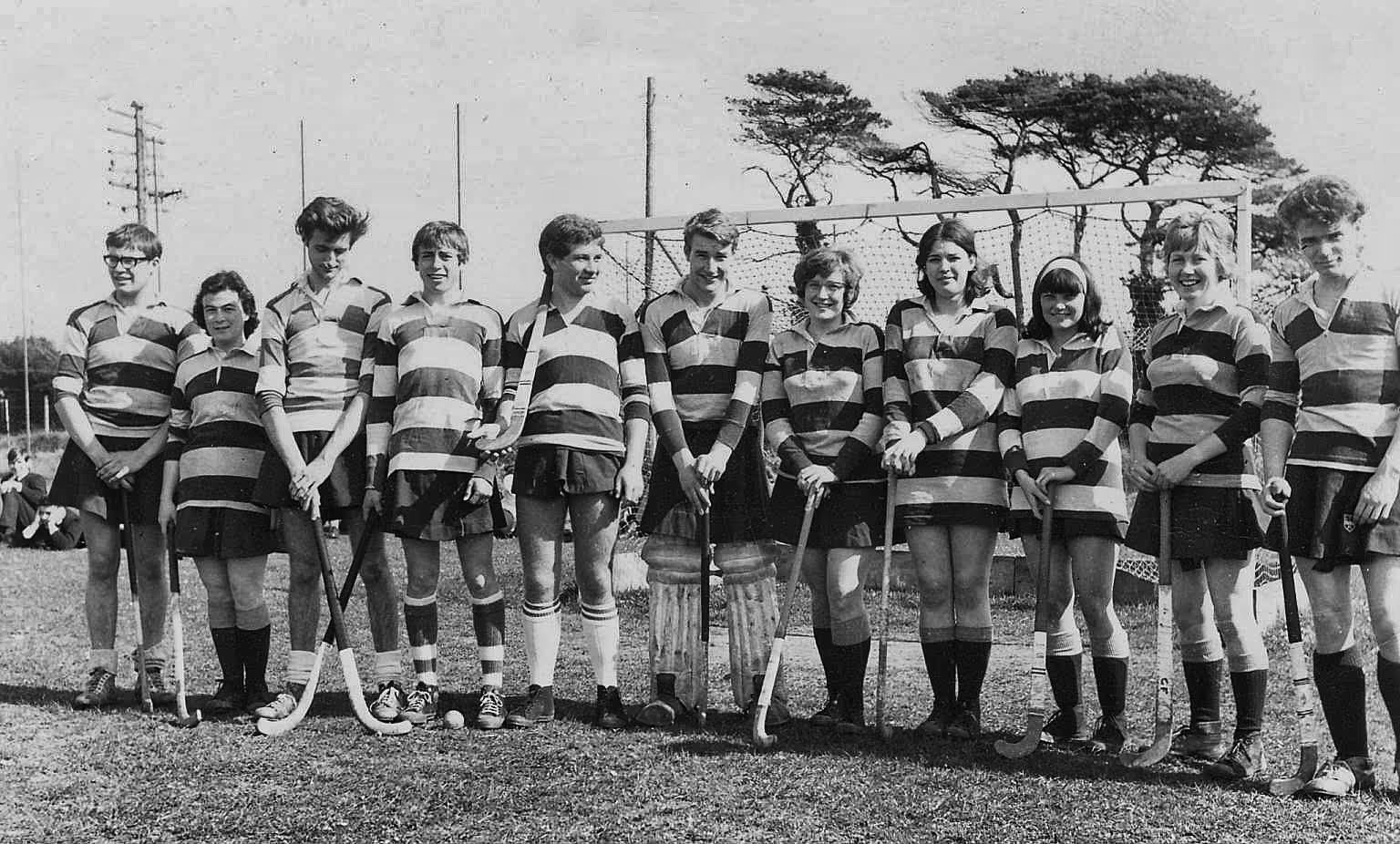
Since it opened in 1957, Churston has attracted generations of bright young minds from South Devon and beyond. The world has changed dramatically in the years since, and Churston has evolved with it, but our school’s strong identity as a place of community and opportunity endure.
Roots in the Community
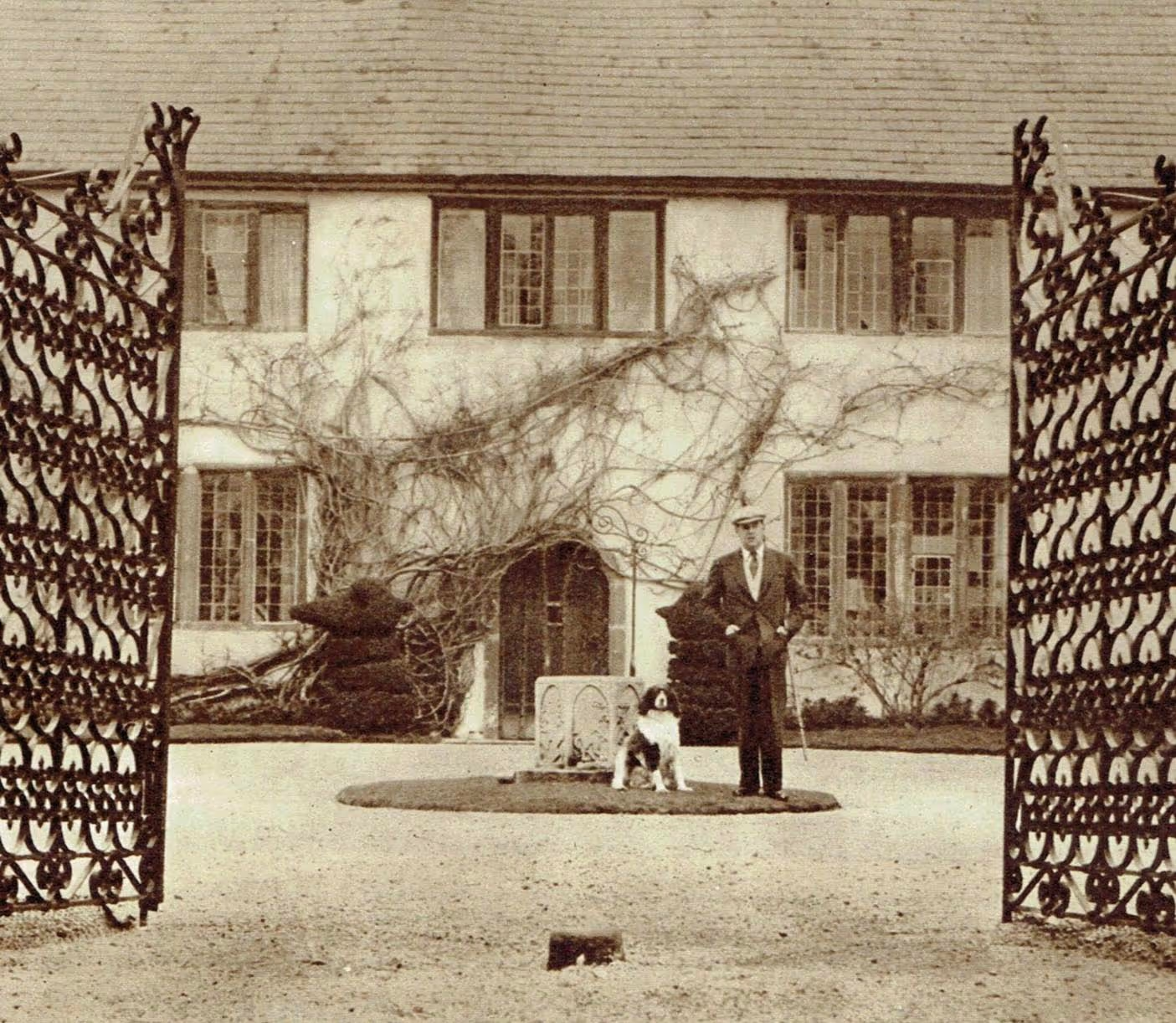
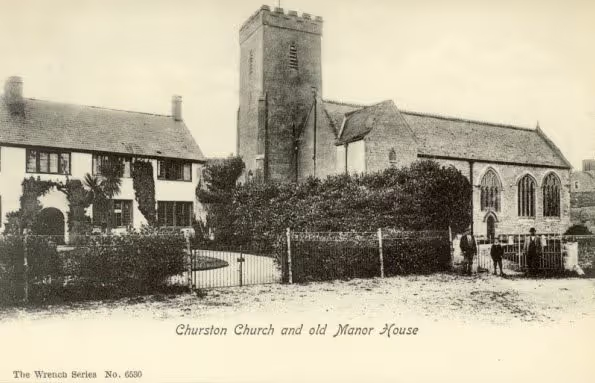
In 1865, Caroline, Lady Churston commissioned the Lord Churston's National School at Churston Ferrers, providing education for up to 150 local children.
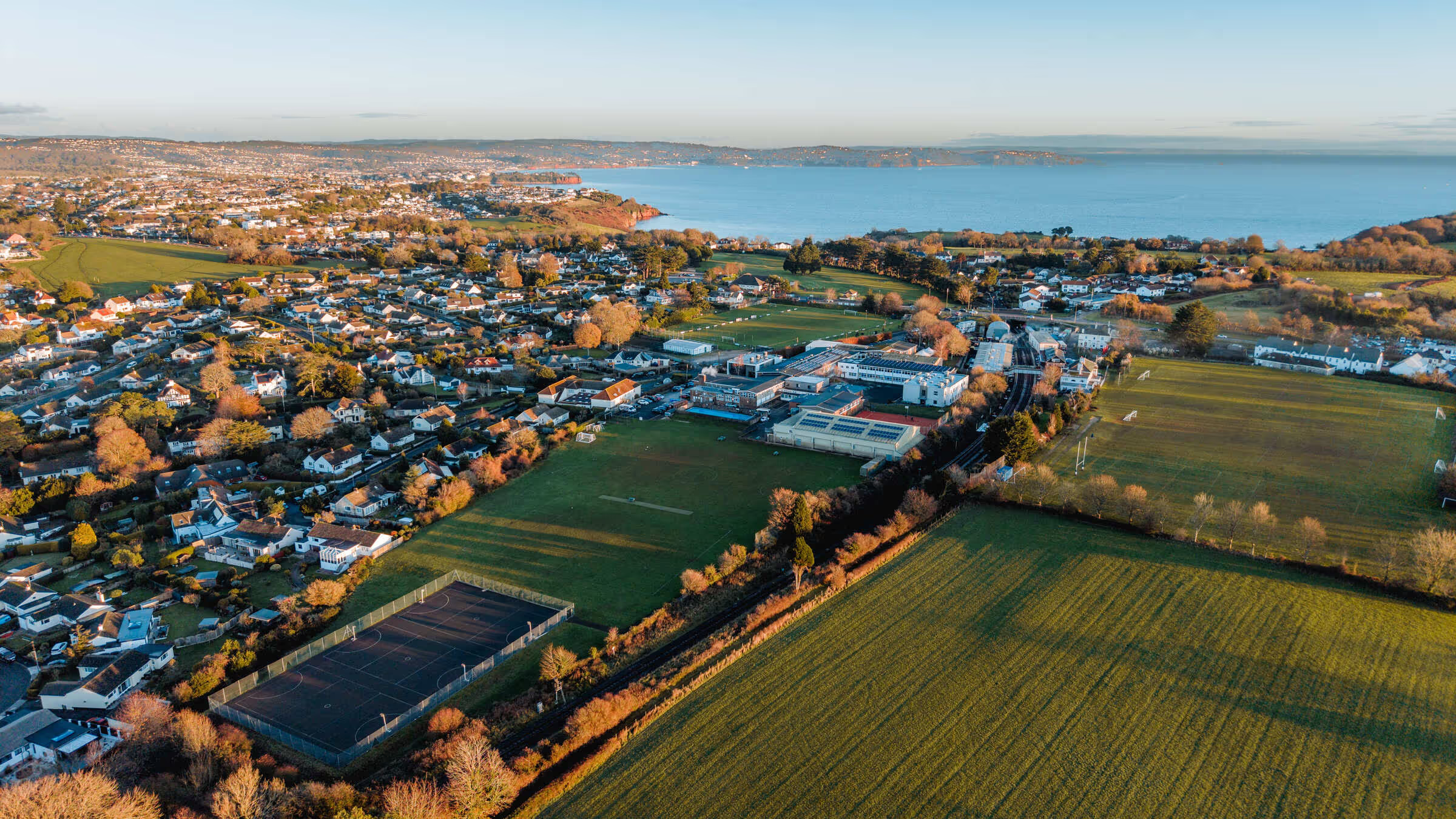
Dartmouth Grammar School served the wider area for generations, nurturing young minds across the South Hams. Following the post-war education reforms of the 1940s and 1950s, there was a growing need for a new grammar school to serve the communities between Torbay, Dartmouth and Totnes. The village of Galmpton, nestled beside Churston railway station on the historic Dartmouth and Torbay Railway line (opened 1861), was chosen as the site for an ambitious new chapter in South Devon education.

A New Beginning
The school replaced several smaller institutions, most notably Dartmouth Grammar School, whose headmaster, Donald W. Carter, became Churston's founding head.
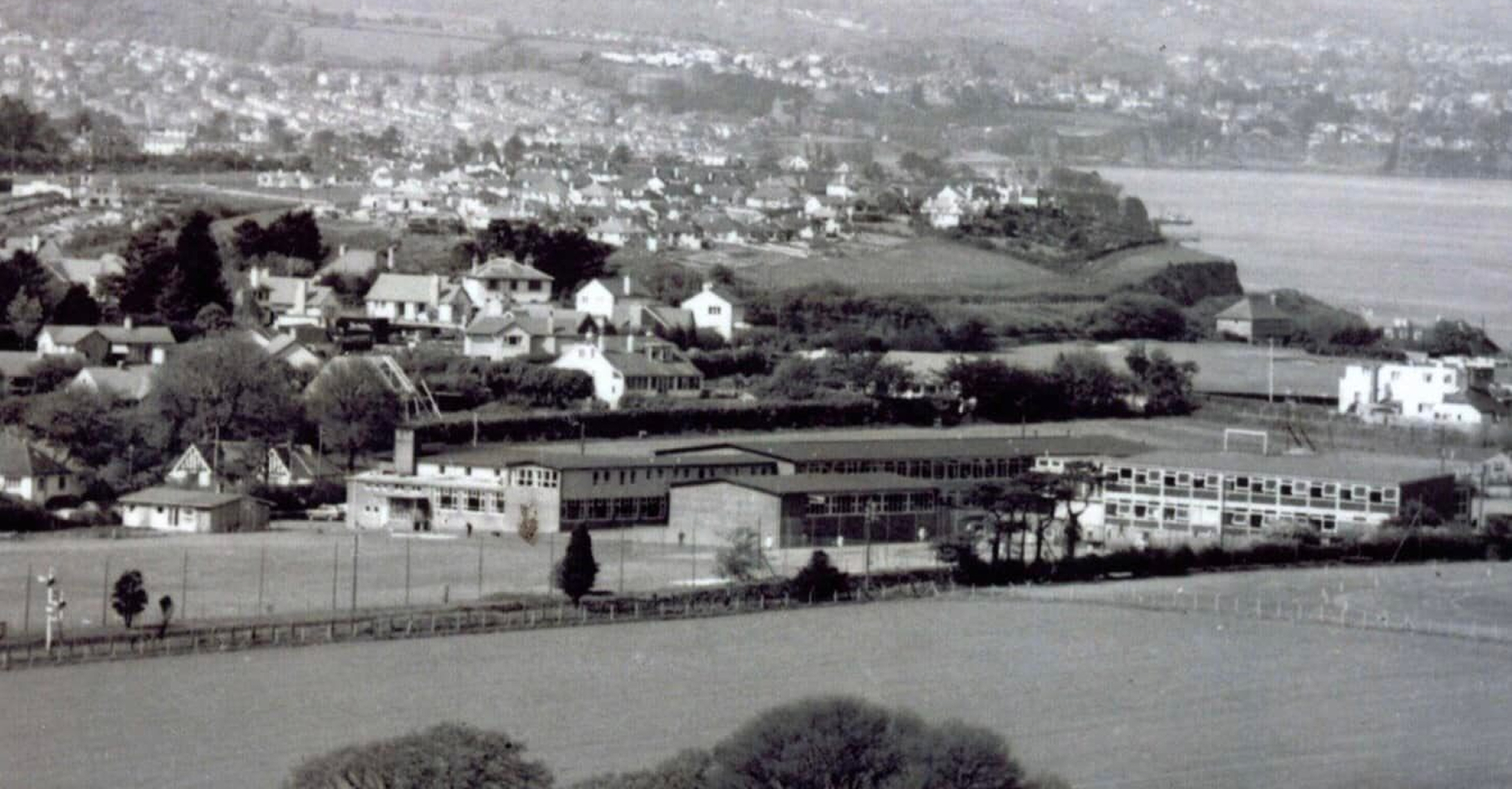
From its very first day, Churston was co-educational - a forward-thinking approach that was unusual for grammar schools of that era, and one that remains a distinctive part of our identity today. Situated on Greenway Road in Galmpton, the school's grounds are uniquely bisected by the historic railway line, a Victorian-era feature that gives the school its distinctive character. Mr Carter's vision was clear: to build a school where academic excellence went hand in hand with personal development and a deep connection to the community.
Building Our Identity
Ron Beal succeeded as Headteacher from 1972 to 1975, followed by David Beresford-Williams from 1975 to 1979.
During these formative decades, the school established the house system that continues to be a cornerstone of school life. The houses have been renamed a number of times over the years, reflecting the school's evolving identity, but the friendly rivalry and sense of collective pride they inspire have never changed. Today, the five houses are named after figures with strong ties to South Devon: Brunel (after the great engineer Isambard Kingdom Brunel), Christie (after the world-renowned crime writer Agatha Christie, whose beloved Greenway estate sits nearby), Gilbert (after the Elizabethan explorer Sir Humphrey Gilbert), Singer (after sewing machine pioneer Isaac Singer), and Thompson (after the novelist Flora Thompson). Each house carries its own colour and crest, fostering a spirit of belonging, friendly competition and collective pride that connects every student to the wider Churston community.


Growth and Ambition
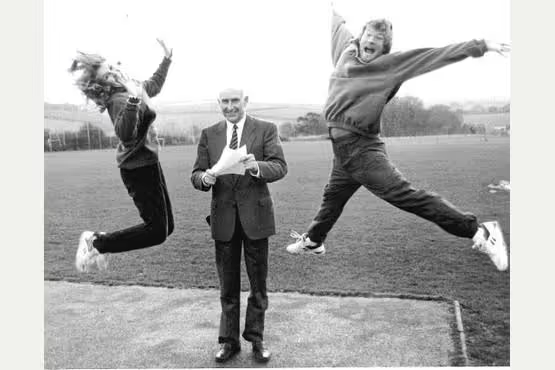
The school had remained largely unchanged in its physical form since opening, but as student numbers grew beyond the original 350, the campus needed to evolve.
In the late 1980s, a major building programme added a new classroom block and sports facility, marking the first significant expansion of the school site. This was followed in 2001 by the addition of a Modern Foreign Languages block, reflecting the school's growing ambition and its commitment to broadening the curriculum.
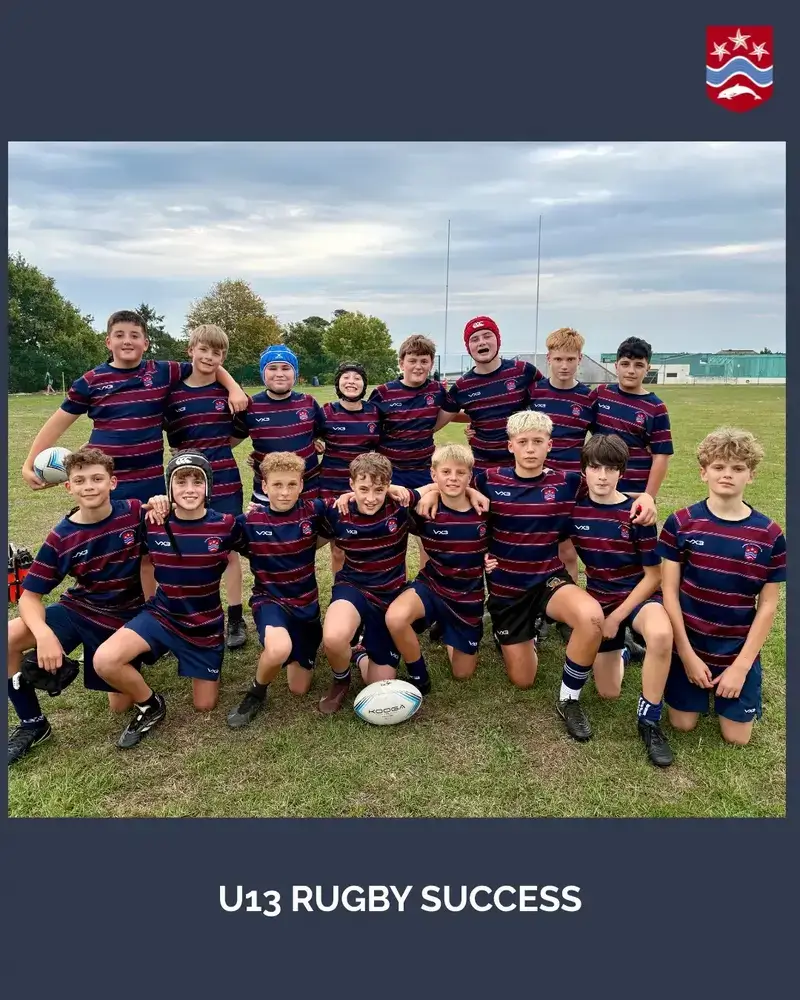
This era also saw the establishment of what would become one of the school's proudest sporting traditions - basketball. The school team went on to be crowned National Champions on two separate occasions, putting Churston on the map well beyond South Devon. The Duke of Edinburgh's Award programme also began to take root, offering students opportunities for challenge, adventure and personal growth that continue to thrive today.


A Centre of Excellence
Under Headteacher Stephen Kings (1997–2007), the school was designated a Specialist Humanities College, reflecting its particular strength in History, Geography and English - and its belief that understanding the world around us is essential to making a positive difference within it. Robert Owers succeeded as Headteacher in 2007, the same year the school celebrated its 50th anniversary with a special reunion that brought together generations of Old Churstonians.
In 2008, a new building known as 'The Cube' - named by students in a poll - provided a dedicated humanities classroom, study centre and IT room.
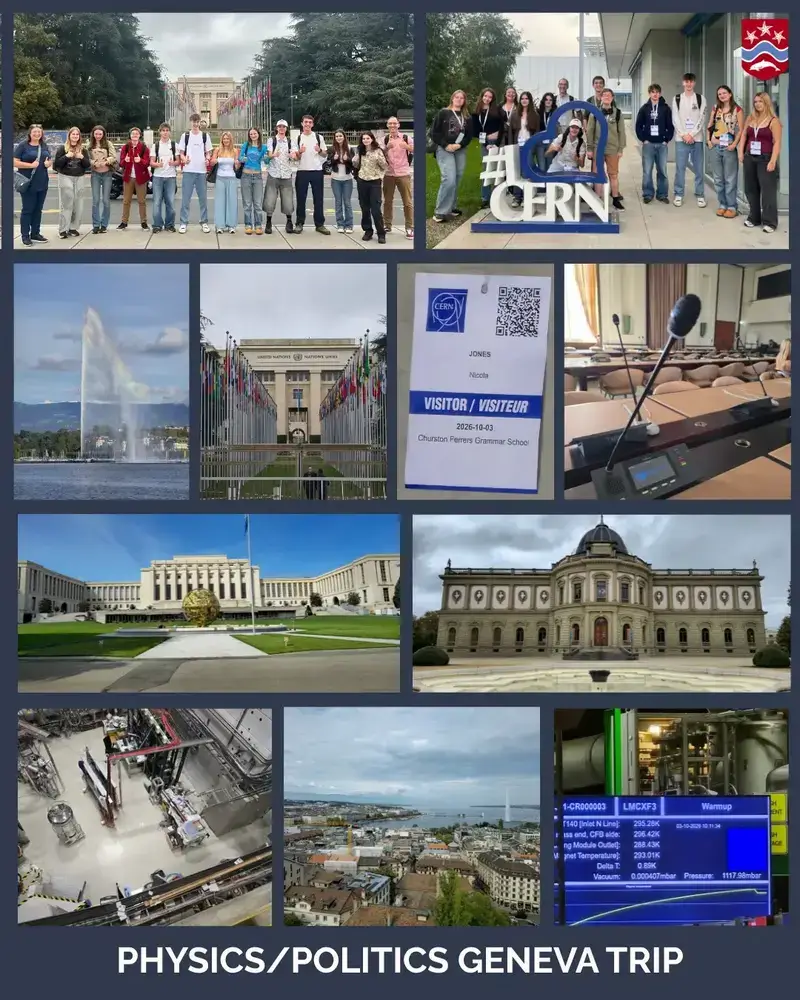
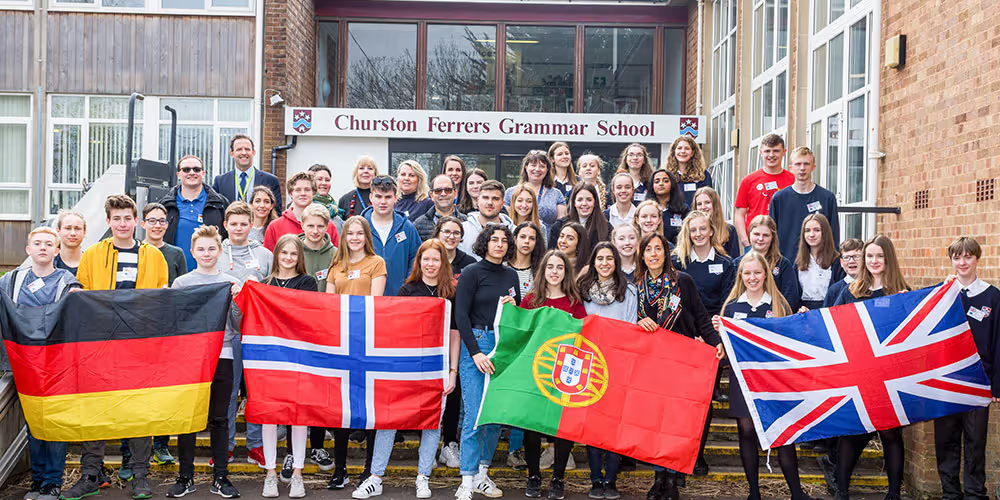
Just a year later, in February 2009, Ofsted awarded the school an Outstanding rating. Churston's reach also extended far beyond Devon through its pioneering partnership with GlobalEd, establishing meaningful links with schools in Cusco, Peru, alongside an Erasmus Partnership Project with schools in Portugal, Germany and Norway. New pavilions opened in 2009, improving access to the playing fields across the railway line.
.avif)
A Modern Academy
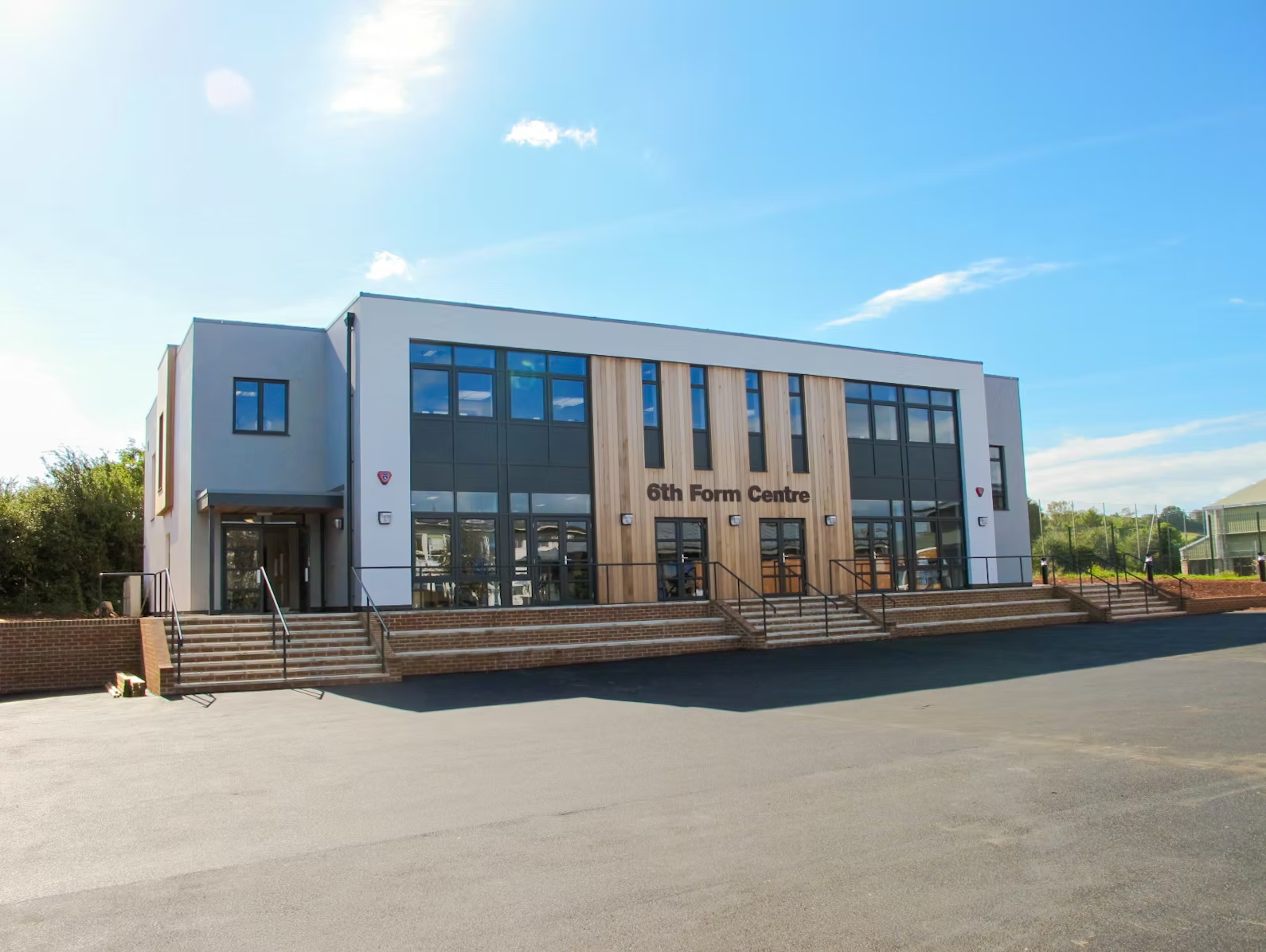
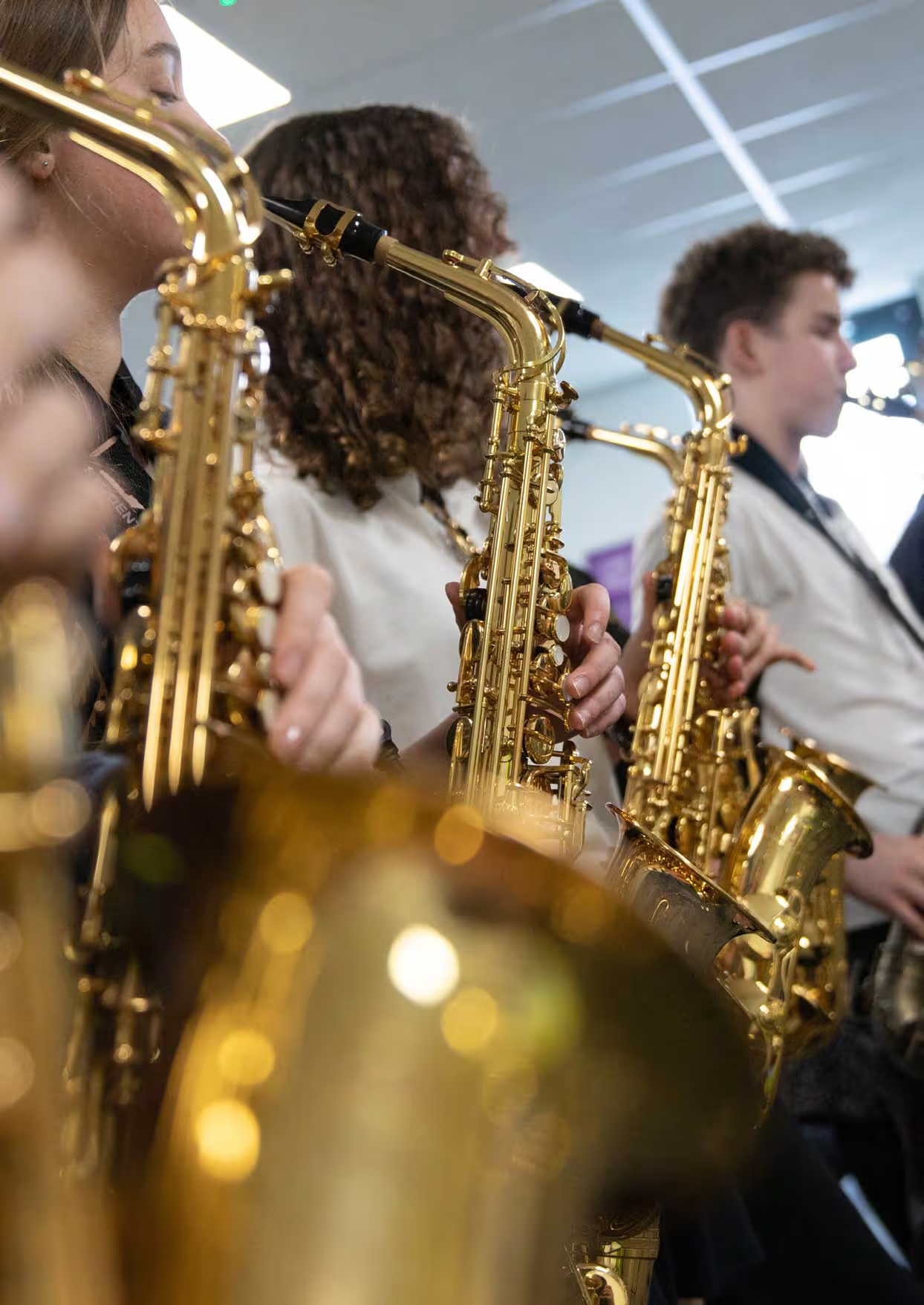
This new chapter brought a wave of investment in the school's facilities. The old 'maths hut' - a temporary building that had served its purpose - was demolished in 2011 to make way for a new Sixth Form Centre, which was completed in the summer of 2012. This purpose-built facility provided classrooms, an IT suite and a large common room, giving sixth formers a space that matched their growing ambitions. In 2016, a creative remodelling and extension of the Modern Foreign Languages block created a dedicated new home for Art and Music, ensuring that creativity and self-expression remained at the heart of the Churston experience.
By this time, the school had grown to approximately 950 students, with around 240 in the heavily oversubscribed sixth form and an annual Year 7 intake of around 130 - cementing its position as one of only two co-educational grammar schools in the entire South West of England.
Looking Forward
The school's five core values - Self-development, Scholarship, Active Citizenship, Social Justice and Sustainability - now guide everything from the curriculum to the community partnerships that make Churston distinctive.
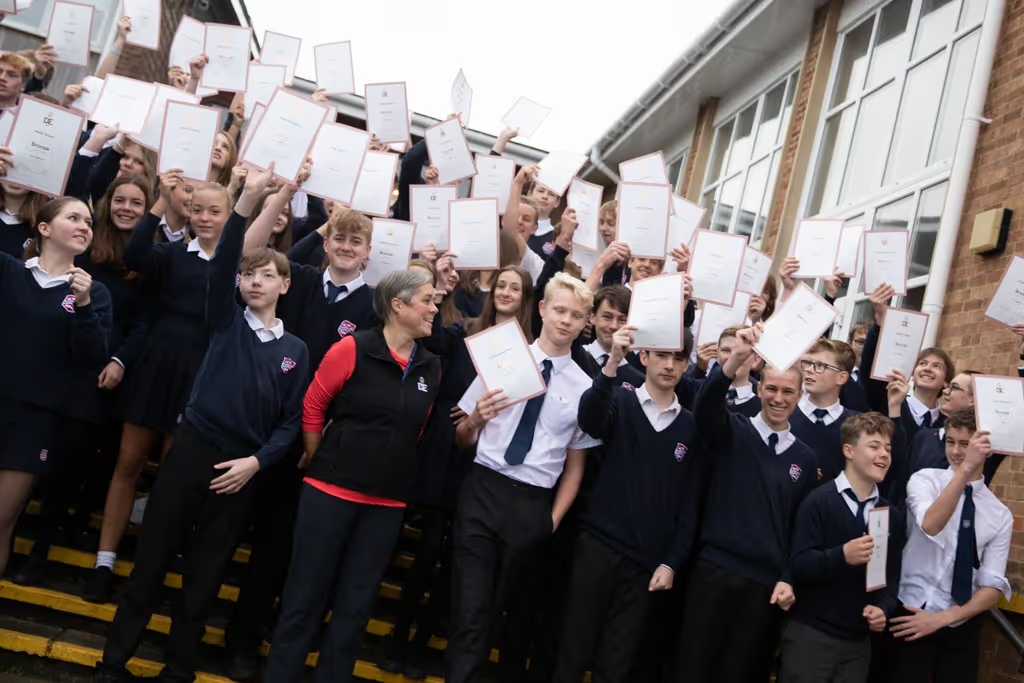
The Duke of Edinburgh's Award programme has grown into one of the school's flagship enrichment activities, with over 200 students participating annually across Bronze, Silver and Gold levels. Churston is a Directly Licensed DofE Centre, and the programme embodies the school's belief that growth happens when students step beyond the classroom. Sustainability is not just a value - it's a way of life at Churston. Students lead climate and environmental initiatives, and the school continues to build on its pioneering Education for Sustainable Development work. International links with Peru and European partners remain strong.
Today, Churston sits proudly in the top tier of schools nationally, and its alumni - from Olympic gold medallist Giselle Ansley to comedian Andy Parsons, scientist Adam Hart, and musician Kirk Brandon - reflect the extraordinary range of what Churston students go on to achieve. As the motto says, this is a place where exceptional young people learn to do extraordinary things, together.


An eye on the future
While we celebrate Churston’s heritage and remember where we’ve come from, we’re also a school that embraces the future. Adaptation and innovation are essential to our success.
- Harnessing technology thoughtfully
- Innovative philosophy on learning
- Student-led culture and uniform